In this articleTable of Contents
The pretzel yoga pose is one of those poses that stands out because of its name. It derives its name from the way the body looks, like a twisted pretzel. This pose brings together a mix of movements—twisting the spine opening the hips moving the shoulders and using breaths. It’s not simple. It’s powerful.
The name "pretzel" is used for more than one kind of pose, which can be confusing at first. Some people do it lying on their back; others on their side. Some versions go deeper, into the twist. Add a strong stretch in the shoulders and hips. Because of these differences, the way the pose is taught can change depending on the teacher or the yoga style.
This guide covers the pretzel pose, how to do it, its benefits, and how to make it easier for beginners. It will also cover ways to do it and what to watch for before you try it.
What is the Pretzel Pose?
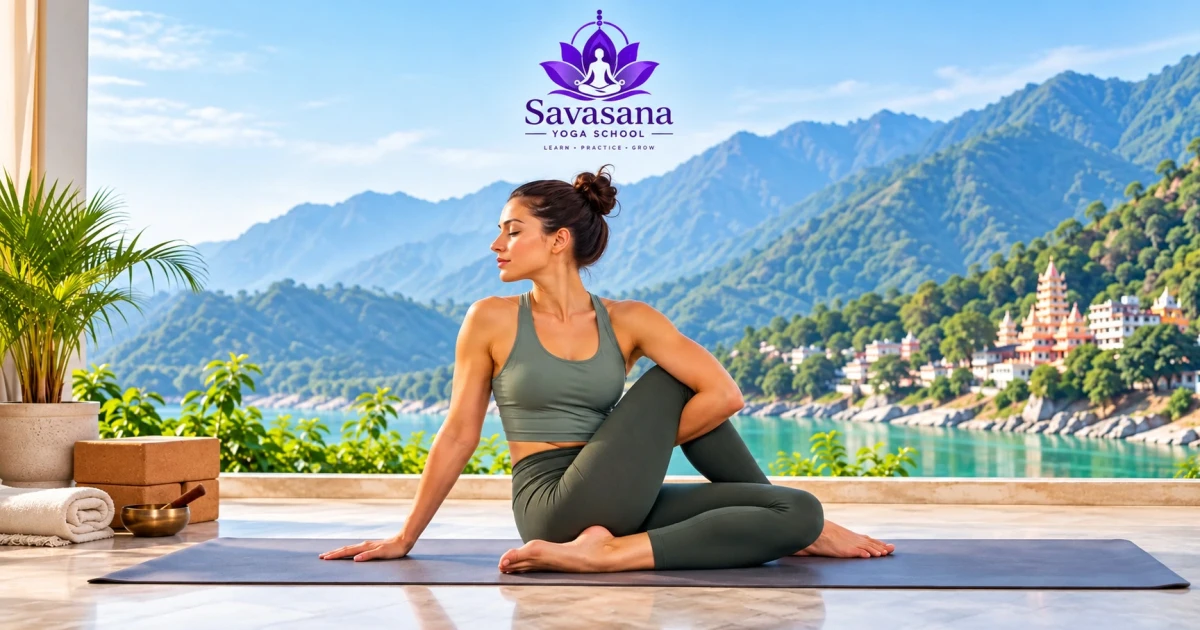
The term "pretzel yoga pose" is usually used to describe a twisting yoga posture where the arms and legs cross and look knotted. A common version of the pretzel pose is a supine twist that mixes spinal rotation with a deep opening of the shoulders and hips.
In the pretzel pose, the body makes a shape as the arms reach around the legs or torso. Tummee classifies the pretzel pose as a twisting and stretching posture that works well in supine and side‑lying positions.
It is important to remember that not every teacher uses the term "pretzel pose" to refer to the same posture. Because of the point learning the setup, alignment and proper modifications for the pretzel yoga pose is more important than simply memorizing the name.
What is the Pretzel Position?
So, what is the pretzel yoga position in practical terms? It is a body position that combines actions at once, usually including a spinal twist, hip rotation and shoulder stretch. Depending on the variation, one leg may be bent while the other extends or opens, and the arms reach around the legs to create the shape.
Because several joints are involved simultaneously, the posture can feel considerably deeper than a seated or reclining twist.
How to Do a Pretzel Yoga Pose?
Before you begin, warm up your shoulders, hips, spine and knees. Do not try the pretzel twist until you have warmed up.
1. Begin on Your Side or Back
Start in a supine or side‑lying position as the pretzel twist variation calls for. For the Pretzel Twist, begin from a supported side‑lying position, then move into a supine position with the legs folded.
2. Set Up the Legs
Bend the legs into the position shown by your teacher. Keep the grounded foot and knee stable. Avoid letting the knee collapse inward. Do not force the hips into a range that feels restricted.
3. Create the Upper‑Body Twist
Place one hand on the floor for support, then rotate the upper body. Let the pretzel twist develop progressively, and avoid using the arm to pull the torso.
4. Thread the Arm
In the described Pretzel Twist, one arm passes beneath the body while the opposite hand reaches toward the foot. This movement creates the pretzel shape.
5. Settle Into the Position
Once the hands and legs are arranged, focus on your shoulders, neck, hips and breathing. Your head does not need to touch the floor in any way. The technique guidance for the pretzel twist stresses avoiding strain on the muscles.
6. Breathe and Release Slowly
Take comfortable breaths while staying aware of your shoulders and spine. I have found this helps calm the mind. To finish reverse the setup gradually of releasing the Pretzel Twist suddenly. Practice both sides where appropriate.
Benefits of the Pretzel Yoga Pose
This posture blends stretching and twisting, and posture effects can be felt in parts of the body.
1. Supports Hip Mobility
The position can create a stretch around the hips, groin and external hip muscles. Regular mobility work can help keep a range of movement, but flexibility gains depend on each person's anatomy and practice.
2. Stretches the Shoulders
One of the features of this pose is the unusual shoulder position. As the arms reach around the body and legs, they engage various shoulder muscles. RotateTummee specifically describes this posture as involving contrasting stretches around the shoulder blades.
3. Encourages Spinal Mobility
The twisting component encourages controlled movement through the torso. The important word here is controlled. A deeper twist is not automatically better. The objective is to explore mobility without forcing the spine.
4. Challenges Core Stability
The body needs to remain organized while the hips, shoulders and spine move in directions. Engaging the core gently can help support the torso and improve body control during this posture.
5. Develops Body Awareness
Because the position involves joints, it also requires concentration. Posture needs to notice whether the shoulders are compressed, whether the knee feels comfortable, and whether the twist is created through controlled movement rather than force.
6. Encourages Relaxation Through Breath
A slow breathing pattern can help posture remain calm while holding a stretch. Tummee also emphasizes awareness, alignment, focus and controlled breathing as aspects of practicing this posture safely.
Pretzel Sitting: Is It the Same Pose?
Pretzel sitting can mean sitting with your legs crossed in a way that looks like a pretzel. It doesn't always have to be the same twisting position that was talked about earlier. A seated version might include a twist in the spine while keeping the pelvis steady. This can be easier for people who are just starting out.
When you try this version, keep both sitting bones as still as you can and twist from your body without pushing too hard on your knees or arms. If your hips feel tight, sitting on a folded blanket can help make the position more comfortable.
Different Pretzel Yoga Pose Variations
Because the name is used for related shapes, understanding the variations can help you choose an appropriate level.
Supine Pretzel Variation
This version is practiced while lying on the back and usually combines leg positioning with a twist. It can provide a supported entry point because the floor helps stabilize the body.
Side-Lying Pretzel Variation
A side-lying version may involve bending both legs while reaching the arms around the body. The side position creates a combination of shoulder and hip movement.
Pretzel Twist Variation
The deeper twist version combines upper-body rotation with a pronounced shoulder stretch. Is generally more suitable for intermediate practitioners.
Restorative Variation
A supported version can be created using blankets, bolsters or blocks to reduce the intensity. Props should support the body rather than push it farther into the twist.
Advanced Variation
Experienced practitioners may explore a range of movement, but advanced does not mean forcing maximum flexibility. The shoulders, knees, hips and neck should remain controlled throughout the movement.
Beginner Modification for the Pretzel Position
The full version might be too intense for someone who has limited shoulder or hip mobility. A simpler approach is to reduce the amount of rotation and use props for support.
You can:
- Keep the legs deeply crossed.
- Place a cushion beneath a knee.
- Use a strap to reach directly for the foot.
- Keep the shoulders open.
- Practice the spinal twist without forcing the arm position.
Preparatory postures described for the advanced version include reclining variations, shoulder stretches and supported hip-opening movements. This progression allows the body to learn components before combining them.
Common Mistakes to Avoid
Forcing the Twist
A rotation does not automatically lead to a better practice. Never use your arm to pull your torso in a way.
Ignoring the Shoulders
The shoulder position is one of the challenging parts of this posture. Move with care. Stop if you feel pinching or sharp pain.
Overloading the Knee
The leg and the grounded knee need special attention. If the knee feels. Painful decrease the movement or leave the pose.
Turning the Head Too Far
Keep your neck in a position. You do not need to make an exaggerated head position to finish the shape.
Holding Your Breath
If you cannot breathe normally the posture is likely too hard. Not set up properly.
Precautions and Contraindications
This posture is not beginner-friendly for everyone. It is a posture that blends twisting and stretching so remember that extra care is needed if you have issues with shoulders, neck, hips, knees, ankles, pelvis or spine.
Tummee specifically says caution or avoidance for people with injuries or recent surgeries. It also flags concerns, with cervical conditions, migraine, high blood pressure, pregnancy and limited upper-body strength.
Do not practice this posture if you feel pain, numbness or sudden discomfort. If you are recovering from surgery or injury you should talk to a healthcare professional before you try this twisting posture.
Related Post: What Is Savasana Yoga?
When Should You Practice this Pose?
This posture can work well in practices that focus on mobility opening the hips or gentle twisting. It also fits nicely into styles of yoga. You might use it later in a session after the body has already warmed up.
Some yoga guides include this pose in hip-opening routines or in Yin Yoga flows. Don’t start a practice with a twist if your shoulders and hips are still stiff. It’s better to prepare them.
How to Progress Safely?
Think of the pose as a combination of smaller skills. First, improve comfortable hip mobility. Then develop shoulder mobility. Practice gentle spinal twists. Finally, work on combining the movements.
Common Asked Questions
Q. What is the pretzel position in yoga?
Q. Is the Pretzel Yoga Pose beginner-friendly?
Q. What are the main benefits of Pretzel Yoga?
Q. Can I practice Pretzel Sitting?
Q. What muscles does the Pretzel Pose target?
Q. Is the Pretzel Yoga Pose safe, for everyone?
Q. How long should I hold the Pretzel Pose?
Q. Can I use props in this yoga pose?
Comments (0)
Share a respectful question or reflection. Every comment is reviewed before it appears.
Be the first to start a thoughtful conversation.